
How Rural Entrepreneurs Can Expand Beyond Seasonal Agricultural Work
Introduction
For many rural businesses, the calendar is the first competitor. Demand peaks during planting, harvest or a brief spell of favorable weather, then drops just as quickly. Owners must manage cash flow, staffing and equipment through the quieter months. Rural entrepreneurship often begins with finding practical ways to bridge these gaps.
Expanding beyond seasonal agricultural work does not mean leaving farming behind. It means building on the skills, assets and relationships already in the community to serve customers at different times of year. Rural entrepreneurship can build on these strengths without requiring a complete change of direction.
This takes steady adjustments, not a sudden transformation. A complementary service, a product that keeps longer or a new customer group can reduce reliance on one busy season. For rural entrepreneurship to be sustainable, new costs must match what the local market can support.
Analysis of the players: matching skills to demand
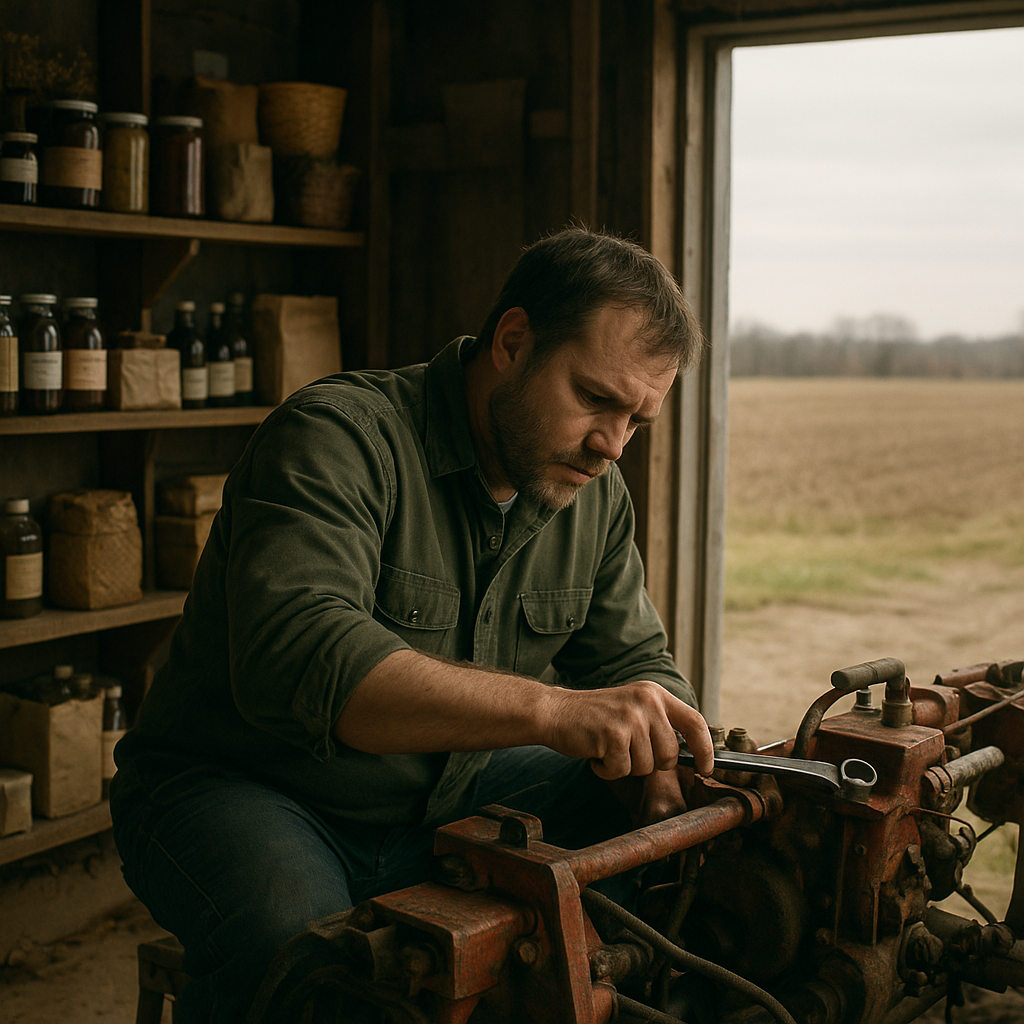
Farm operators may already have underused assets. Machinery, storage, transport, repair skills and knowledge of local land can serve other farms, contractors or property owners when fieldwork slows. Renting out equipment or offering maintenance can bring in revenue without creating a wholly separate business. These options show how rural entrepreneurship can grow from existing farm capacity.
But available capacity does not guarantee a viable offer. Owners need to account for wear, insurance, fuel, delivery time and the risk that another customer will need the same equipment during a busy period. A rural entrepreneurship strategy works best when expansion complements the core operation rather than competing with it.
Processors and makers can extend the selling window by turning produce into preserves, baked goods, dried ingredients or prepared meals. But processing brings its own demands. Before investing in equipment or committing to production volumes, businesses need to consider food safety rules, packaging, reliable supply and how they will reach customers. Careful planning helps rural entrepreneurship turn local produce into a dependable offer.
Other entrepreneurs offer services that are not directly tied to crops, such as bookkeeping, vehicle repair, childcare, home maintenance, guiding or digital services. They may have a broader customer base, but still need to build visibility and trust. In small markets, reputation travels quickly, so reliable service matters. This kind of rural entrepreneurship can meet needs that persist beyond the growing season.
These businesses do not have to compete for the same customers. A grower, processor and repair business can support one another if their schedules and offers are coordinated. The key question is not which idea sounds most innovative, but which unmet need can be met consistently with the resources available.
Key factors
Income diversification starts with a map of the year, not a list of fashionable business ideas. Owners can note when labor, equipment and cash are available, then compare those openings with the needs of residents, nearby businesses and visitors. For rural entrepreneurship, this helps separate genuine opportunities from seasonal spikes that only look promising.
Customer concentration matters as much as product choice. A new revenue stream that relies on one large buyer may simply replace one vulnerability with another. Testing several smaller customer groups, or combining direct sales with business-to-business work, can reduce reliance on a single contract or event.
Cash flow is another important test. A venture can look profitable on paper but still fail if supplies, wages or compliance costs come due before customers pay. Small pilots, staged purchases and clear payment terms help owners test demand before taking on fixed costs that are hard to reverse.
Microbusiness growth is often limited by time, labor and access to practical support. Owners may need training in pricing, digital bookkeeping, marketing or regulation, as well as help finding seasonal workers who can move between businesses. Coordinating seasonal employment can help local firms make better use of the workforce, but they need to agree on schedules and responsibilities in advance. This practical support can strengthen rural entrepreneurship.
Infrastructure also shapes what is possible. Transport, broadband, storage and suitable workspace affect a business’s ability to reach customers beyond the local area. Where these are limited, a shared facility, cooperative delivery arrangement or distribution partnership may be more realistic than building everything alone.
Expansion must also suit the character and capacity of agricultural communities. Businesses need local suppliers and workers, while avoiding pressure on scarce resources or pricing residents out of essential services. Long-term viability depends on value circulating locally, not just on increasing sales.
The match scenario: building a year-round plan
Consider a farm business with a busy harvest and a long winter lull. Rather than buying a new production line, it starts by taking stock of what it already has: suitable storage, an experienced operator, a vehicle and relationships with neighboring producers. Then it checks which assets can be put to use without jeopardizing the main crop operation. This is a practical starting point for rural entrepreneurship.
The business might test equipment maintenance for nearby farms and use some of its storage for a small local producer. It could also trial packed seasonal produce for a handful of shops or community buyers. Each test has a set budget, a limited time frame and a measure of success, such as repeat orders or a margin that covers labor and transport.
The first season is likely to reveal problems. Maintenance jobs may fall during field preparation; storage may need upgrades; retail orders may be too small to justify delivery. Those results are useful if the owner is willing to adjust the offer, price or schedule rather than treating every early idea as permanent.
In the next round, the business keeps the service that fits around farm work and drops or redesigns the one that causes strain. It might share deliveries with another producer, set clearer booking windows or focus on customers who value reliability over the lowest price. The aim is not to eliminate seasonality, which is often part of rural economies, but to soften its financial impact.
Year-round livelihoods take shape through a portfolio of compatible activities, not a single dramatic pivot. Each addition should support the wider operation, whether by using idle capacity, serving a different customer or bringing in income during a predictable gap.
Conclusion
Rural entrepreneurs can overlook assets that are part of everyday life: practical expertise, trusted relationships, local knowledge and equipment that sits idle outside peak periods. Turning these strengths into new work takes careful testing, realistic cost calculations and a clear sense of who will pay.
Successful expansion is not about how many services a business can advertise. It is about whether the added work strengthens the core operation, spreads risk and leaves enough capacity to deliver reliably. Businesses that diversify with purpose and grow at a sustainable pace are best placed to build beyond seasonal agricultural work.