
What Else Could an Entertainment Budget Pay For? Understanding Opportunity Cost
Introduction
An entertainment purchase has an obvious price: a ticket, a monthly subscription or a meal before a show. It also has a less visible cost: what that money could have paid for instead.
That second cost is opportunity cost. It doesn’t mean leisure is frivolous or that you should always choose the most practical option. It means comparing the experience you’re buying with the best alternative you’re giving up.
For a household setting an entertainment budget, that distinction matters. A budget is limited, but the choice isn’t simply between fun and responsibility. It’s between different ways to spend money, each with its own benefits and trade-offs.
Analysis: two uses for the same money
One option is immediate enjoyment: a concert, a game, a weekend outing or a streaming service. It may be worth choosing because the event is rare, shared with friends or special precisely because it’s happening now.
The alternative doesn’t have to be savings. It could be a family meal, a class, a short trip, a lower credit-card balance or extra room in next month’s budget. The real comparison is between specific options that matter to the person making the decision.
Opportunity cost is often misunderstood. If someone spends $80 on a night out, that doesn’t mean the money would otherwise have gone into savings. The alternative might be another outing, a useful purchase or keeping the money available for an upcoming expense.
The cheapest option doesn’t always win, either. Staying home can mean missing a meaningful celebration. An expensive event can also be poor value if someone feels pressured to go and barely enjoys it. Price is easy to measure; value depends on what the experience means to that person.
So instead of asking, “Can I afford this?” ask, “Given my other priorities, is this the best use of my leisure budget right now?” That keeps enjoyment in the picture while making the alternatives easier to compare.
Key factors
Frequency and commitment. A one-off ticket is easy to evaluate. Recurring charges are less noticeable because each one seems small. Several subscriptions can quietly take up a large share of the monthly budget, even if they’re rarely used.
Review recurring costs instead of letting them renew automatically. Compare the total cost of the services with the best experience or added flexibility that money could provide.
Use, not ownership. Entertainment often means paying for access—a ticket, membership or digital library. Consider how often you use it and whether it makes those occasions better enough to justify the money and time involved.
A regularly used subscription may be better value than several one-off purchases. But a low monthly fee doesn’t make a service worthwhile if it has become background noise. Base the budget on how much you enjoy it now, not on plans to use it more later.
Timing and uncertainty. Unspent money has option value: it lets you adapt when plans change or an appealing opportunity comes along. That flexibility may matter more to someone with irregular income or upcoming expenses than to someone whose essentials and savings are already covered.
But putting off every pleasure has a cost, too. Some experiences depend on a date, a group or a particular stage of life. Weigh the future use of the money against the possibility that you can’t recreate the present opportunity.
Shared value. An outing may matter because it brings you together with a partner, children or friends, not just because of the activity. A cheaper plan may preserve that connection just as well. Skipping the occasion altogether, however, may mean giving up something you genuinely value.
Hidden costs. The listed price may not tell the whole story. Transport, food, equipment, fees and time can make a modest plan expensive. A higher-priced option may include things you’d otherwise pay for separately.
These factors won’t produce a universal ranking. They help clarify the trade-offs and show whether a purchase is deliberate or driven by habit, convenience or social pressure.
Match scenario: one budget, two game plans
Imagine a household with $200 for entertainment this month. It could spend most of the money on one major outing or divide it between several smaller activities and keep some for later.
The first plan makes sense if the event matters, everyone expects to enjoy it and the household understands the full cost. The second may work better if people want different things, plans are uncertain or keeping some money available would reduce stress.
The price alone won’t settle the choice. The outing might create a lasting memory; the split budget might offer more chances to have fun. The decision depends on what the household values, how likely it is to use each option and what it would regret giving up.
Before paying, name the next-best alternative. If the household would rather save the money for a planned trip, the outing has a clear opportunity cost. If the money would otherwise sit unused while everyone wants to go, the experience may be the better choice.
A budget is more than a spending cap; it’s a plan. Some money can go to regular activities, some can be set aside for special events and some can remain uncommitted. That makes it less likely that one impulse will use up all the options.
Conclusion
Opportunity cost is the value of the best alternative you give up, not a moral penalty for spending. For entertainment, it means asking whether a purchase is worth more than the next-best use of the same money, time and attention.
The answer will vary from person to person and month to month. A subscription may be worth it if you use it; an expensive night out may be worth it if the occasion matters; keeping money available may be best when flexibility is the priority.
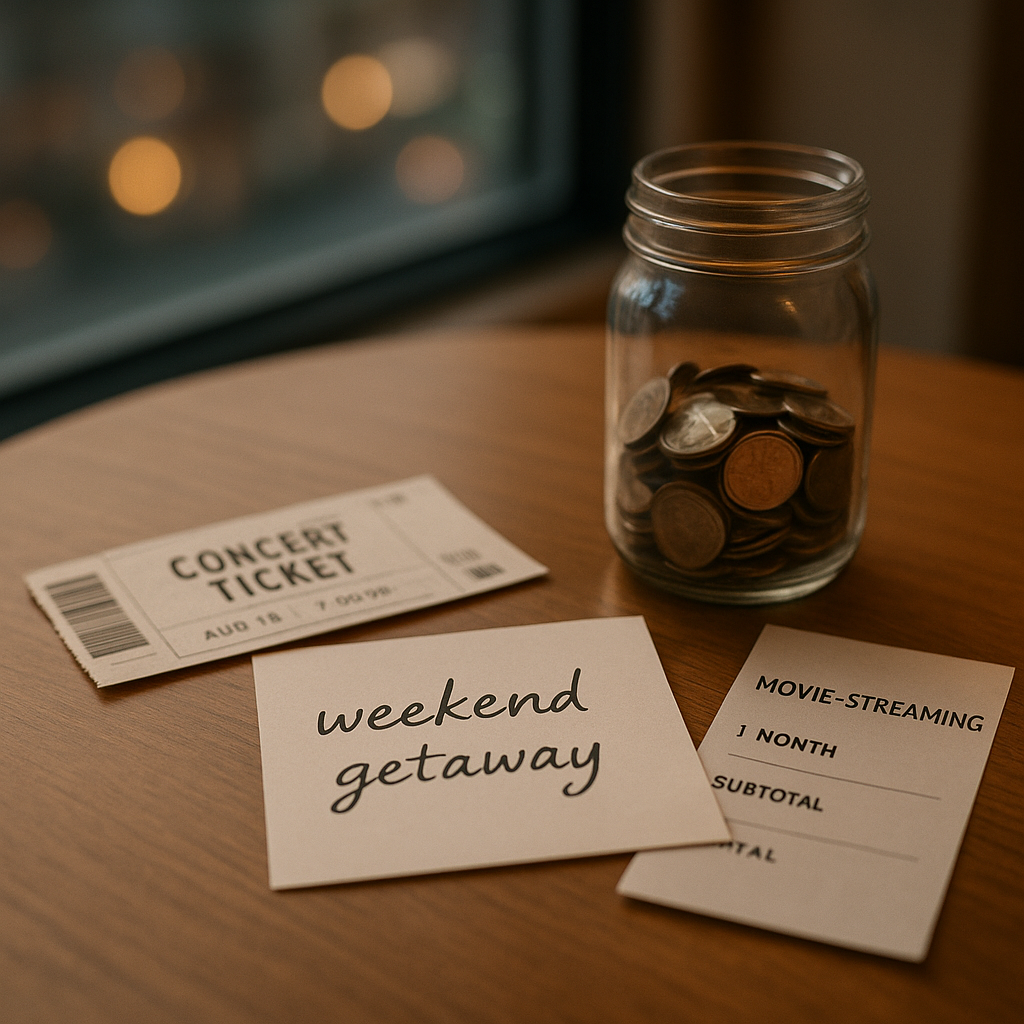
A strong budget doesn’t eliminate leisure. It makes spending intentional, accounts for recurring costs and helps you understand what your money is doing—and what you’ve chosen not to do with it.