
Climate-Resilient Farming Practices That Protect Rural Incomes During Droughts and Floods
Introduction
A drought can slowly dry up a field; a flood can destroy a season in hours. For rural households, the damage goes beyond lost crops. It can mean lower earnings, depleted savings and fewer options for the next planting.
Climate-resilient agriculture is not one crop or technology. It combines choices about water, soil, seeds, income and timing. These measures work best when farmers can afford them and local services support their use.
The practical question is whether a farm can withstand a weather shock without turning one bad season into a lasting income crisis. Climate-resilient agriculture addresses this challenge through several measures working together, rather than one dramatic intervention.
Who shapes a farm’s resilience?
The farm is the first line of defence, but it does not stand alone. Smallholders, producer groups, extension services, lenders, traders and local authorities all influence what farmers can grow, when they can sell it and how quickly they can recover. Effective climate-resilient agriculture also depends on these wider systems supporting smallholder adaptation.
Adaptation often starts well before a forecast becomes urgent. Farmers can choose varieties suited to local conditions, adjust planting dates, protect seed stocks and maintain more than one source of income. These steps can reduce risk, but depend on access to land, reliable information and cash.
Different crops offer different advantages. A farm that relies on one high-value variety may earn more in a good year, but face greater losses if that crop fails. Growing different species or varieties with varied growing periods, water needs and heat or flood tolerance—an approach known as crop diversification—can spread the risk. This is a practical element of climate-resilient agriculture.
Local institutions determine whether these options are practical. Timely forecasts, useful extension advice, affordable credit, working drainage and fair access to markets can help farmers act. Poor services and costly inputs, by contrast, leave them to manage climate risks largely on their own. Strong local support helps climate-resilient agriculture move from plans to practice.
Key factors
Water management is central to preparing for drought. Drought preparedness can include maintaining storage where feasible, repairing leaks, scheduling irrigation carefully and choosing crops that suit the available water. These steps strengthen climate-resilient agriculture when they are adapted to local water supplies.
Soil practices can help retain rainfall. Keeping crop residues, adding organic matter, limiting unnecessary soil disturbance and using ground cover can reduce evaporation and runoff. These measures support soil moisture conservation, an important part of climate-resilient agriculture. The right approach depends on local soils, available labour and other uses for crop residues.
Floods call for different measures. Flood-resistant farming may involve raised beds, drainage channels, flood-tolerant varieties and adjusted planting calendars. Where land and water systems allow, farmers can also place fields to reduce exposure. These options contribute to climate-resilient agriculture, but no single measure can protect against every flood, especially when water arrives with destructive force.
Drought and flood risks should be planned for together. A region may face long dry spells and intense rain in the same season. Infrastructure designed only to drain water can worsen shortages later, while storage without a safe overflow can create new hazards.
Protecting income is as important as protecting crops. When most household earnings depend on one harvest, a weather shock may force farmers to sell livestock or tools, or take on debt that carries into the next season. Savings, diversified earnings, accessible finance and risk-sharing arrangements can help households bridge a failed crop and support rural income stability. Climate-resilient agriculture considers these household finances alongside crop production.
Timing matters, too. A forecast is of little use if it arrives after planting, and a resilient variety offers limited protection if seed is unavailable when the planting window opens. Information needs to reach farmers early enough to inform decisions and be clear enough to guide action.
Every approach involves trade-offs. Growing a wider range of crops can spread risk but make storage and marketing more complicated. Irrigation can protect yields but put pressure on shared water supplies. Soil conservation may require extra labour before benefits appear. Plans are more effective when they account for household costs and local environmental limits, rather than focusing only on yields in a good year.
How resilience works in practice
Imagine a season that begins with little rain and then turns abruptly wet. Farmers who prepared for drought may have chosen short-duration crops, saved seed and conserved soil moisture. But sudden heavy rain can still damage seedlings, wash away nutrients or make fields inaccessible. Climate-resilient agriculture helps farmers prepare for such changing conditions.
Drainage, local warnings and flood-tolerant crops give farmers more ways to limit losses. Without that support, a household may face damage to crops, storage and roads at the same time. Resilience depends on more than decisions made on the farm.
The outcome is rarely a complete success or failure. A diversified farm may lose one crop but earn income from another. Water-saving practices may reduce the impact of a dry spell, even if they cannot prevent flood damage. Success means the household can plant again and cover essential costs.
Recovery should be part of the plan. Seed reserves, emergency finance, crop insurance where appropriate and clear arrangements for repairing damaged water systems can help farmers return to production sooner. Without this support, even a well-prepared farm may be forced into choices that increase its vulnerability.
Conclusion
Climate-resilient agriculture protects rural incomes by managing risk throughout the season: before planting, during extreme weather and after harvest. Its tools—diverse crops, healthier soils, careful water use, timely information and reliable recovery support—work best when combined.
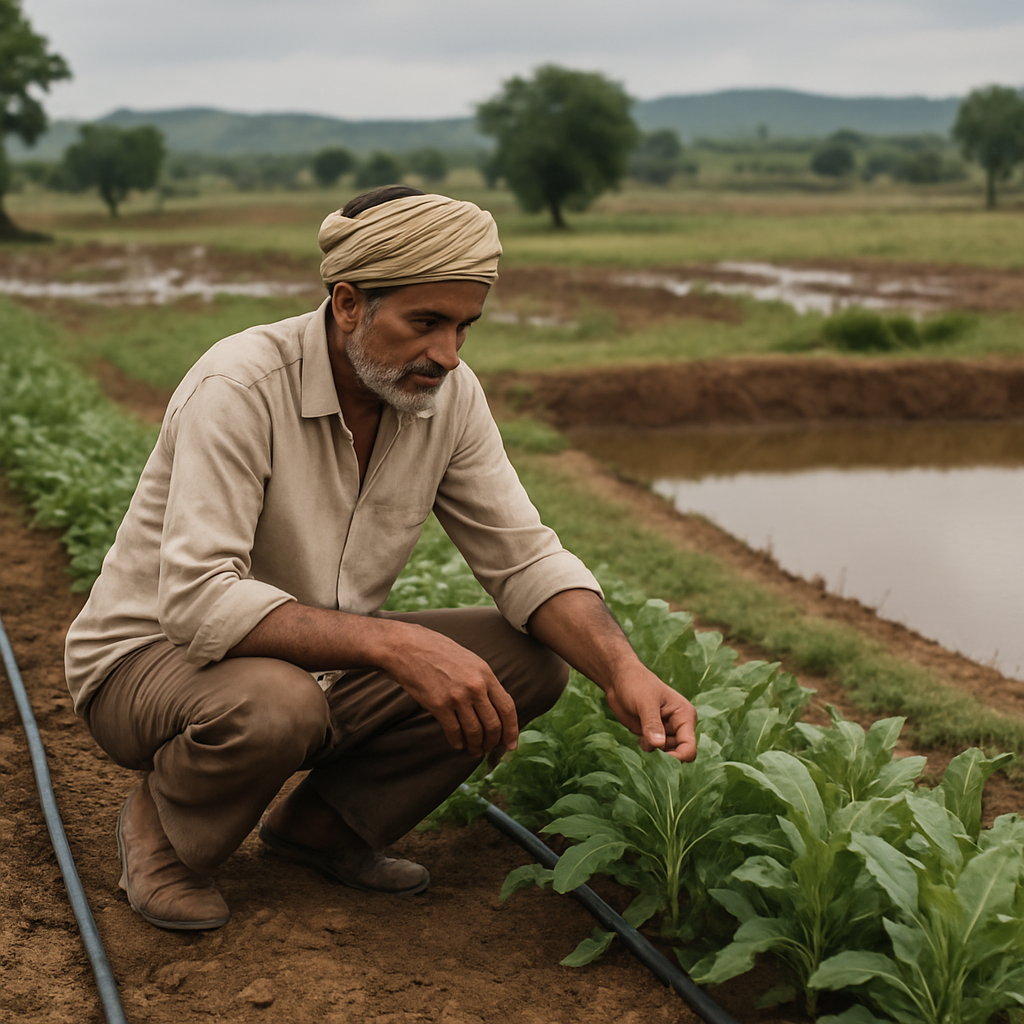
Whether these measures are accessible and suited to local conditions makes all the difference. Farmers cannot control the weather, and no practice can guarantee a harvest. But they can reduce the risk that drought or flooding turns one poor season into a lasting loss of livelihood.