
Introduction
A smallholder selling alone has little room to negotiate. The harvest may be perishable, transport expensive and the buyer better informed about prices. Even a good crop can leave its grower at a disadvantage.
Farmer cooperatives bring producers together to pool crops, share services and approach buyers as a group. Their value goes beyond securing a higher price: they can strengthen farmers’ position across the agricultural value chains linking farms with processors, retailers and consumers.
But collective strength is not automatic. Farmer cooperatives can reduce costs and improve market access, or repeat the same imbalances within a new institution. Their success depends on how well they coordinate supply, protect members’ interests and use market information.
Analysis of the players
A smallholder’s bargaining power depends on more than the size of the harvest. Quality, timing, storage and transport all affect the price a buyer will offer. Farmers who need to sell immediately may accept a low offer, even when market conditions are favourable. Farmer cooperatives can improve smallholder bargaining power by helping members plan when and how to sell.
A cooperative can change that calculation by pooling members’ produce. Farmer cooperatives can aggregate larger, more reliable volumes that may attract buyers who would not negotiate with individual farms. Shared sorting and storage can also help ensure crops meet consistent standards. This is the basis of collective marketing: combining produce and effort to reach buyers on better terms.
Buyers remain powerful, but they are not necessarily adversaries. Processors and traders need reliable quantities, consistent quality and timely deliveries. For farmer cooperatives, meeting those needs offers a dependable service as well as a crop, making the group a stronger negotiating partner.
The cooperative itself—its elected leaders, managers and members—also shapes the outcome. Strong leadership can organise collection, keep records and negotiate contracts. Poor accountability can leave members unsure how prices are set or where the money goes. Farmer cooperatives must answer to their members while meeting buyers’ expectations.
Key factors
Scale matters, but reliability matters more. Large volumes may not earn a premium if they arrive late, vary in quality or lack clear records. Farmer cooperatives build credibility by coordinating planting and collection, setting quality standards and being clear about what they can deliver.
This organisation can strengthen farmers’ bargaining power in several ways. A group can compare offers, negotiate collectively and avoid accepting the first price available because an individual farmer has no other options. Farmer cooperatives can also negotiate payment terms, delivery schedules and quality deductions—not just the headline price.
Information is another source of leverage. Members need to know how payments are calculated, which costs are deducted and how prices compare with other options. Transparent weighing and grading help prevent disputes, while timely market updates let farmers decide whether to sell, store their produce or approach another buyer. These practices help farmer cooperatives make decisions that members can understand and trust.
Collective membership does not guarantee fair farm prices. Cooperatives still face transport costs, quality risks and financing needs, and buyers may have few competitors. The key question is whether members receive a clear share of the value created after costs—and can see how it was calculated.
Reaching new markets takes more than an introduction. Buyers may require traceability, specific packaging, certification or a consistent supply. Farmer cooperatives can help members meet these requirements through training, shared equipment and record-keeping. But each requirement adds costs that need to be weighed against the likely return.
Good governance supports both commercial performance and trust. If leaders make decisions without consulting members or keep unclear accounts, farmers may sell outside the group. That can weaken the supply commitments that attract buyers. Clear rules, regular reports and ways to challenge decisions are part of the cooperative’s offer to the market. Well-governed farmer cooperatives can also serve as accountable producer organizations.
Market access also depends on infrastructure beyond the cooperative’s control. Poor roads, limited cold storage and unreliable communications can cancel out the gains from a better price. Farmer cooperatives can improve rural market access by organising transport or investing in shared facilities, but they cannot fix every gap in rural services.
Match scenario
Imagine dozens of growers with a perishable crop ready at the same time. Selling individually, they approach local traders one by one and have little time to compare terms. Each farmer has a small quantity and faces the same urgency, allowing buyers to set the pace.
Now suppose the farmer cooperatives have an organised collection system, transparent grading and a reliable estimate of the harvest. They can ask several buyers for offers, arrange consolidated deliveries and explain the crop’s quality. Instead of asking what one trader will pay, the group can compare offers and choose the one that best suits its members.
The outcome still depends on delivery. If the cooperative misses the agreed grade or schedule, buyers may lower their offers or withdraw. If it meets the contract, the relationship can lead to repeat orders and new markets, not just a one-season deal.
There is another possible outcome: leaders secure a sale but fail to explain deductions or payment delays. Members may lose trust and sell independently the next season. In that case, the cooperative wins the negotiation on paper but loses its members’ confidence.
Conclusion
Farmer cooperatives can give smallholders advantages that are hard to build alone: pooled supply, shared services, better information and a credible way to approach buyers. These strengths can help secure better prices and open markets that individual farms could not reliably serve.
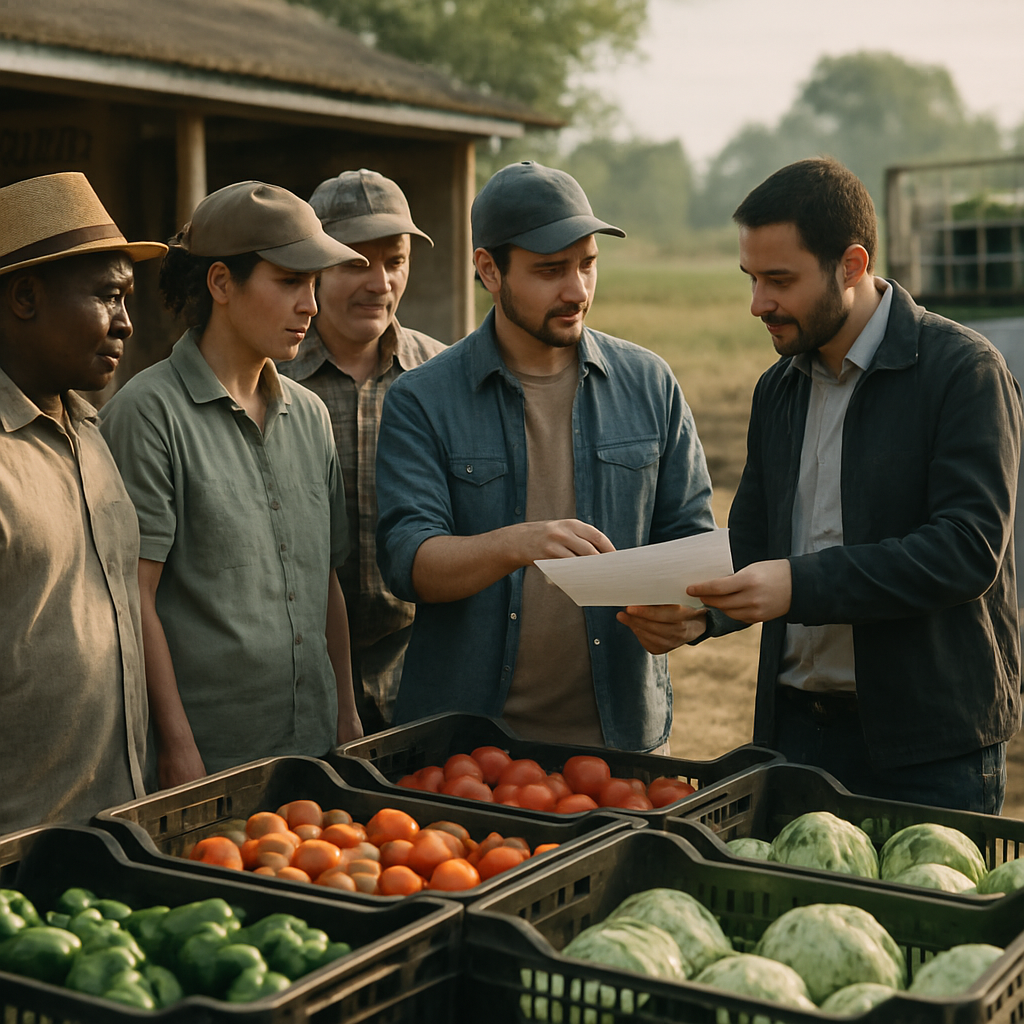
But membership alone does not guarantee fair returns. Results depend on capable management, transparent governance, consistent quality and the costs of reaching buyers. When these factors align, collective action does more than give producers a stronger voice: it helps them shape how their harvest moves through the market.